Mobile App UI/UX Strategy and Consulting
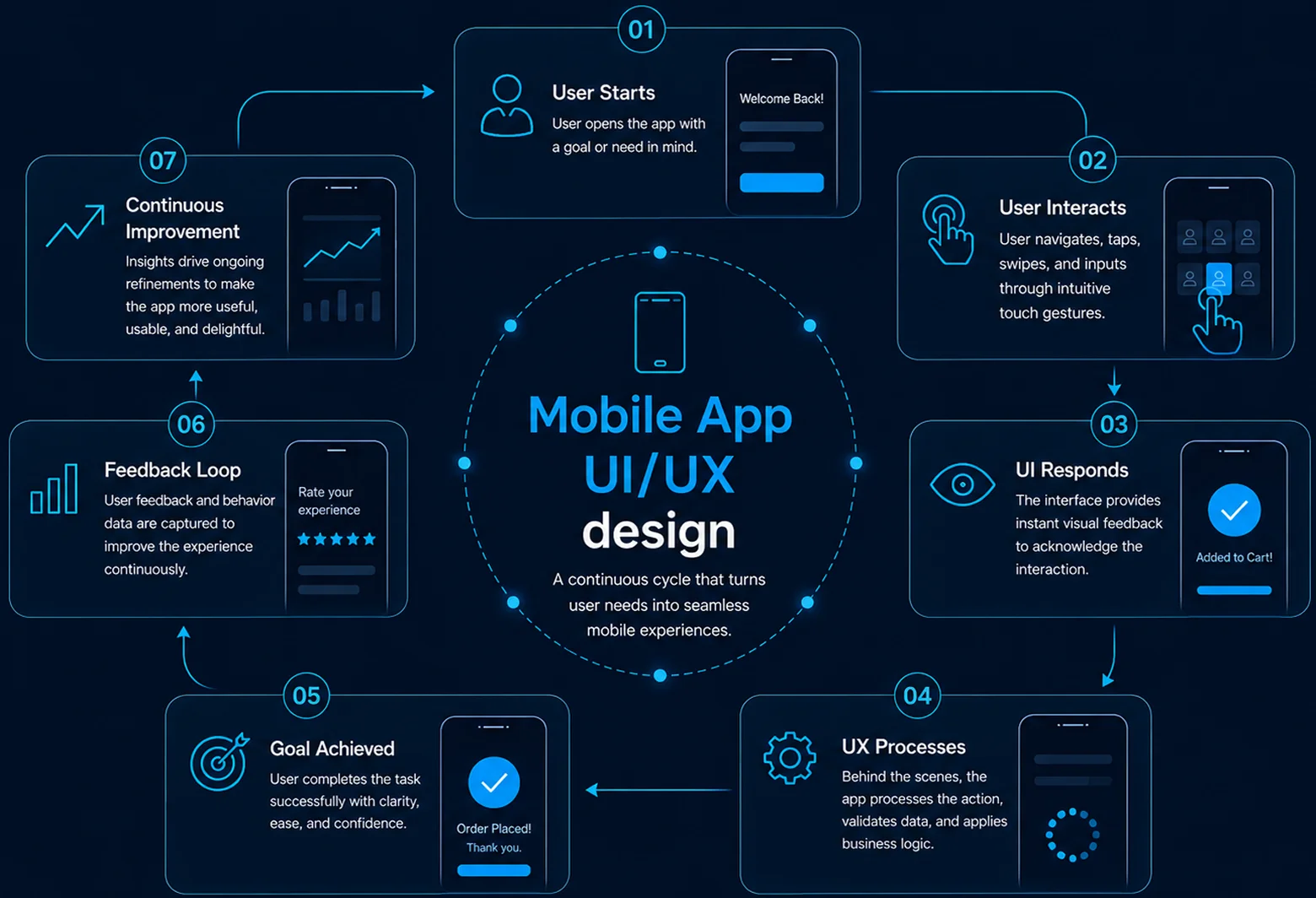
Before any screen gets designed, your app needs a clear direction rooted in business goals and user needs. We assess your product roadmap, target platforms, and user expectations to build a design framework that guides every decision that follows. As a mobile application design company, PixelBrainy ensures your mobile-first design services investment starts with a validated direction, not guesswork.
App Concept Audits
Your existing app or concept gets evaluated against mobile usability best practices, business goals, and competitive positioning.
Design Roadmapping
A phased mobile design plan is built covering research, design milestones, and validation checkpoints, aligned to your launch timeline.
Mobile App User Research and Usability Testing
Design decisions built on assumptions rarely hold up once real users interact with your app on their own devices. Our team replaces guesswork with evidence, using interviews, surveys, and in-context testing to understand how your mobile-first audience actually behaves, taps, and navigates in real-world conditions across different devices and environments.
Mobile User Interviews and Surveys
Direct feedback is gathered from your target users to uncover real needs, frustrations, and mobile usage patterns.
In-Context Usability Testing
Prototypes and live apps are tested on real devices to identify friction points before they reach production.
Mobile App Wireframing and Interactive Prototyping
Before development resources get committed, mobile app ideas need to be tested cheaply and quickly. As part of our mobile-first design services, PixelBrainy builds low-fidelity layouts and clickable, tap-through prototypes that let your team validate flows and gather stakeholder feedback early, catching structural issues before a single line of code is written by your development team.
Low-Fidelity Mobile Wireframes
Core screens and navigation structure are mapped out quickly to align stakeholders before visual design begins.
Clickable Mobile Prototypes
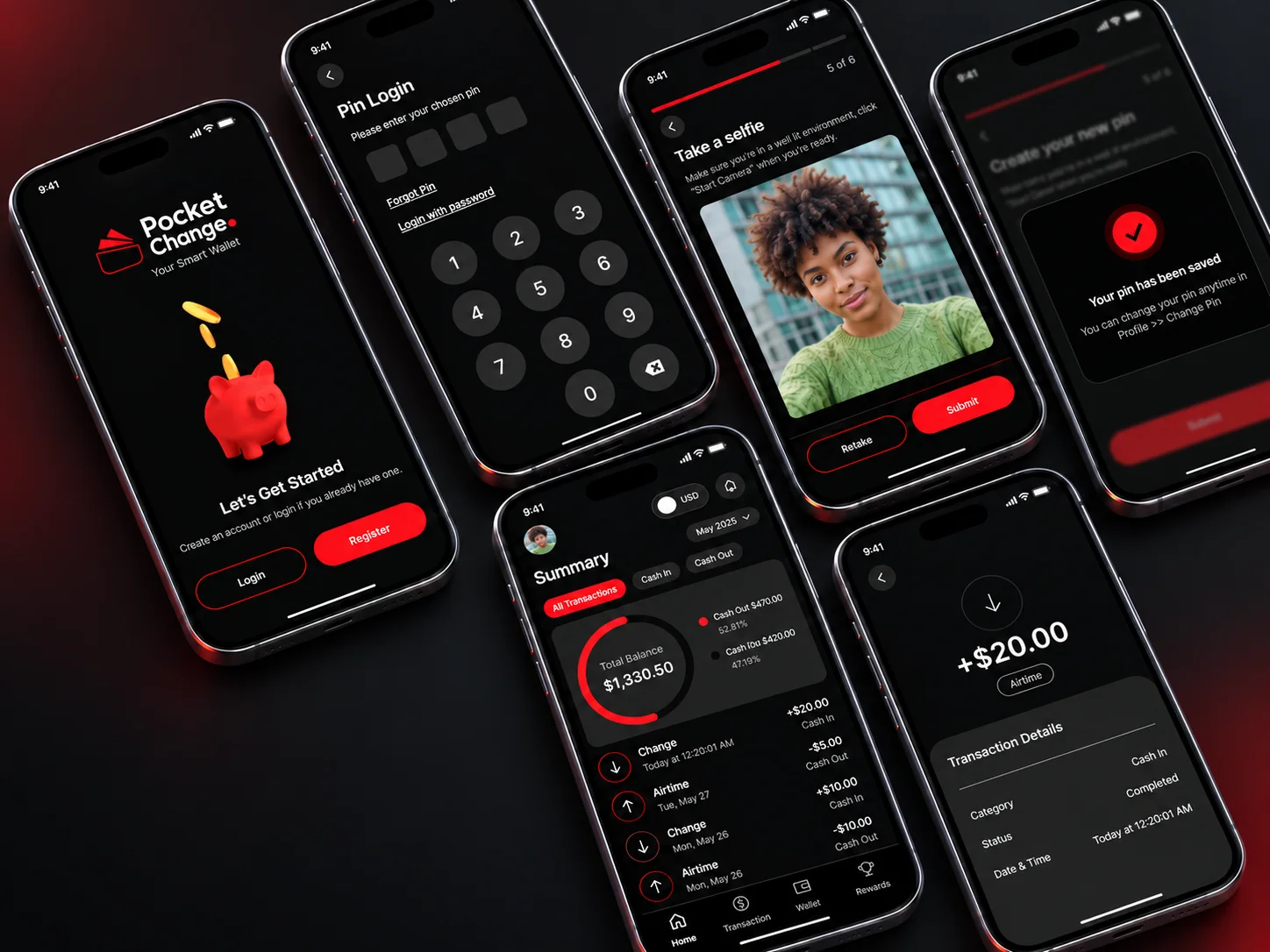
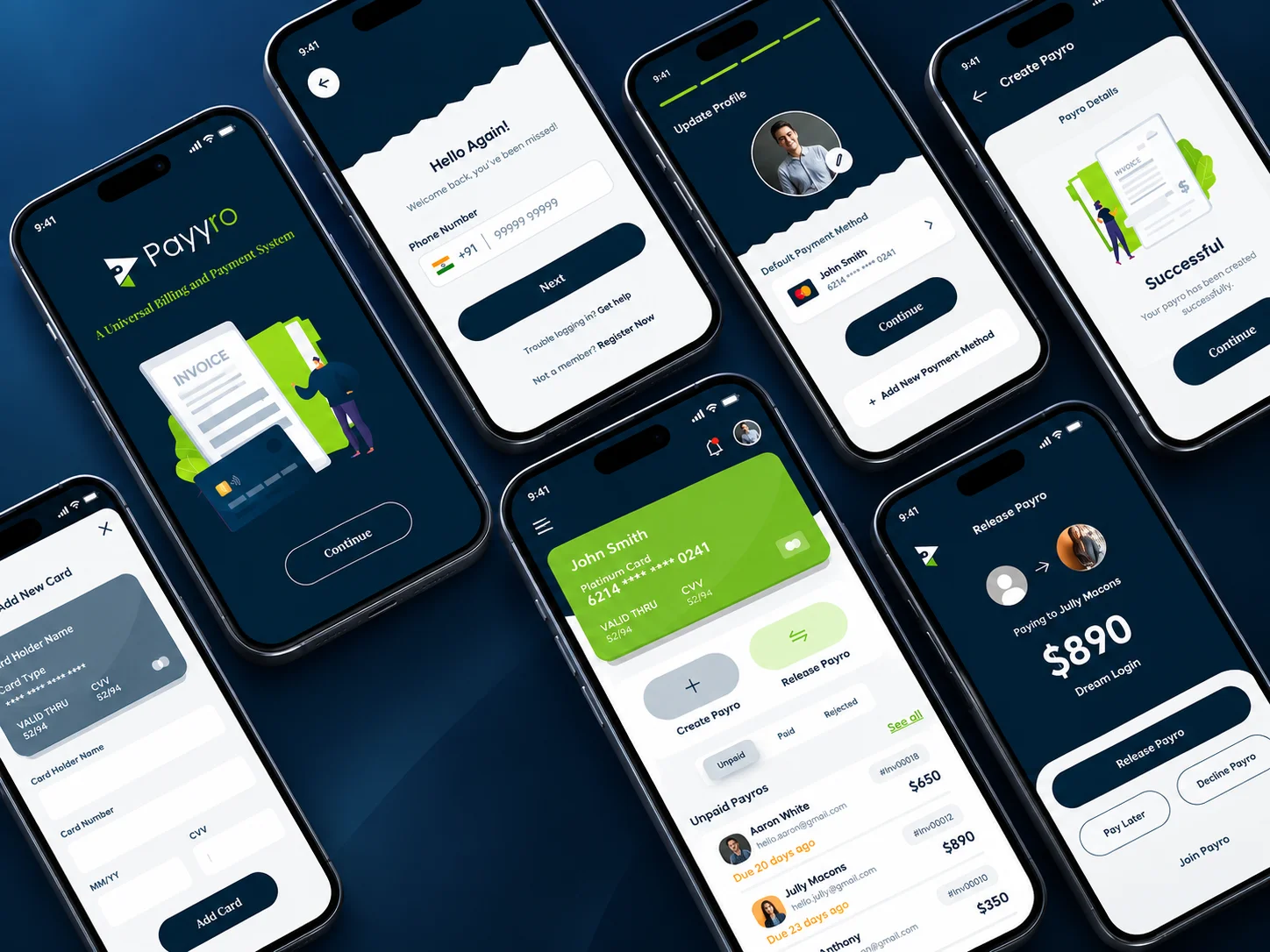
Interactive, high-fidelity prototypes simulate real gestures and screen transitions for stakeholder review and user testing.
iOS App UI/UX Design
iOS users expect interfaces that feel native to Apple's ecosystem, and anything less signals low quality the moment your app opens. Our designers follow Apple's Human Interface Guidelines closely, crafting screens, gestures, and interactions that feel instantly familiar to iPhone and iPad users while still reflecting your brand identity throughout the experience.
HIG-Compliant Screen Design
Every screen is designed to align with Apple's navigation, typography, and interaction standards.
iOS-Specific Interaction Patterns
Gestures, transitions, and system components are designed to match native iOS behavior and user expectations.
Android App UI/UX Design
Android's diverse device ecosystem and Material Design principles require a distinct design approach from iOS. As a trusted mobile design services provider, we build interfaces that follow Google's Material Design guidelines, ensuring consistency, familiarity, and usability across the wide range of screen sizes and devices your Android users rely on daily.
Material Design-Aligned Screens
Every screen is designed following Material Design components, motion, and layout principles.
Multi-Device Android Optimization
Layouts are tested and optimized across the fragmented range of Android screen sizes and resolutions.
Cross-Platform Mobile App Design
Many businesses need a consistent experience across both iOS and Android without doubling design effort. As custom mobile app design specialists, PixelBrainy builds a shared design foundation while respecting each platform's native conventions, giving your team a design system that scales efficiently across both operating systems without feeling generic or compromised on either one.
Shared Design Foundation
A unified visual language and component library is built to scale consistently across iOS and Android.
Platform-Specific Adaptations
Native interaction patterns are layered on top of the shared foundation for each platform.
Mobile App Redesign Services
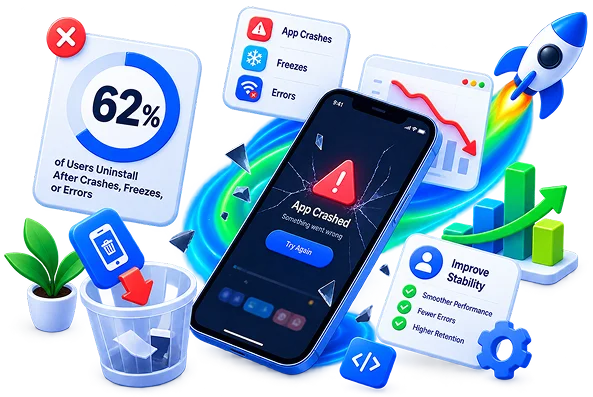
If your existing app is underperforming, our team identifies exactly why. We evaluate usability, retention data, and user feedback, then redesign what is broken while preserving what already works, bringing your app up to modern design standards without disrupting the loyal users who already rely on it daily.
Mobile UX Audits
Your existing app is evaluated against usability heuristics, retention data, and competitor benchmarks.
Incremental Redesign Roadmaps
Redesign priorities are sequenced to minimize disruption for existing users while improving key metrics.
Mobile Design System Development
As your app grows, inconsistent design slows development and erodes user trust. As a mobile app design company for startups and enterprises alike, we build reusable component libraries, design tokens, and documentation that keep every new feature visually and functionally consistent, regardless of which team designs or builds it.
Reusable Component Libraries
Buttons, forms, navigation, and cards are standardized into a scalable mobile design system.
Design Tokens and Documentation
Colors, typography, and spacing are documented as tokens to keep design and development in sync.
Mobile App Accessibility Design
An inaccessible mobile app excludes real users and creates legal exposure, particularly in regulated industries. Our team builds interfaces that meet WCAG standards for contrast, touch target sizing, and screen reader compatibility, ensuring your app is usable by the widest possible audience, a standard we uphold as the best mobile app design company in the United States aims to.
WCAG-Compliant Mobile Design
Screens are designed to meet accessibility standards for contrast, text sizing, and touch targets.
Assistive Technology Testing
Designs are validated with screen readers and other assistive technologies to confirm real-world usability.