AI Summary Powered by PixelBrainy
Imagine a world where personalized therapy, continuous health monitoring, and intelligent clinical insights fit in the palm of your hand. This is the promise of AI Therapeutics Apps. As healthcare moves rapidly toward digital transformation, the demand for data driven therapeutic solutions is expanding at a record pace. Businesses, health organizations, and startups are now exploring how to create AI Therapeutics App solutions that not only elevate patient care but also deliver measurable outcomes and scalable value.
AI Therapeutics App development involves combining artificial intelligence, digital therapeutics protocols, and behavioral science to create software capable of supporting evidence-based treatments. Whether it is for chronic disease management, mental health support, rehabilitation, or preventive health monitoring, the building of AI Therapeutics App systems allows organizations to offer personalized interventions that evolve with user behavior.
This shift reflects a powerful opportunity. Companies are now exploring how to develop AI Therapeutics App platforms that can engage patients, assist clinicians, automate therapeutic workflows, and offer data driven insights that were previously impossible to achieve manually. With rising patient expectations, the need for accessible care, and increasing acceptance of digital therapeutics, the global healthcare market is moving faster toward intelligent therapeutic technologies.
If you are a startup founder, digital health entrepreneur, CTO, or healthcare provider, understanding the full lifecycle of AI Therapeutics App development is essential for staying competitive. This guide will walk you through everything from key benefits to compliance requirements, development steps, advanced features, cost considerations, and the expertise required to build a successful AI therapeutics solution.
An AI Therapeutics App is a specialized digital health solution designed to deliver clinically validated therapeutic interventions using artificial intelligence. These apps go beyond traditional wellness or fitness tools because they incorporate medical evidence, behavioral science, and real time data analytics to support treatment for specific health conditions. AI Therapeutics Apps use machine learning models to analyze user behavior, symptoms, environmental factors, and biometric data to create personalized therapy pathways that adapt to individual needs.
They are commonly used in areas such as mental health support, chronic disease management, rehabilitation, addiction recovery, lifestyle improvement, and preventive care. By leveraging algorithms, natural language processing, and predictive analytics, these apps can monitor progress, detect risk patterns, and deliver interventions at the right time. In many cases they also support clinicians by offering data driven insights and remote monitoring capabilities. As a result, AI Therapeutics Apps play a vital role in modernizing healthcare and improving treatment accessibility.
Businesses in healthcare, pharma, wellness, and mental health sectors have strong strategic reasons to focus on Investing in AI Therapeutics App Development. As patient expectations shift toward personalized and accessible digital care, organizations need reliable and scalable solutions that can deliver therapeutic support without relying solely on physical workforce availability. AI driven therapeutic platforms help bridge this gap by offering continuous guidance, real time monitoring, and automated intervention models that enhance care delivery and reduce operational strain.
Regulatory bodies are also increasingly supportive of digital therapeutics, creating a favorable environment for the development of AI Therapeutics App systems. This momentum opens the door for companies to introduce solutions that not only improve patient outcomes but also create new revenue channels. Businesses can benefit from subscription-based models, insurer partnerships, clinical licensing opportunities, and data driven service extensions.
Financially, the long-term advantages are clear. After the initial build, AI therapeutics apps scale efficiently, allowing organizations to achieve high ROI through automation and reduced per patient cost. Market traction is accelerating rapidly as well. According to Future Market Insights, the digital therapeutics market is expected to rise from USD 9.2 billion in 2025 to USD 82 billion by 2035, growing at a CAGR of 24.4%.
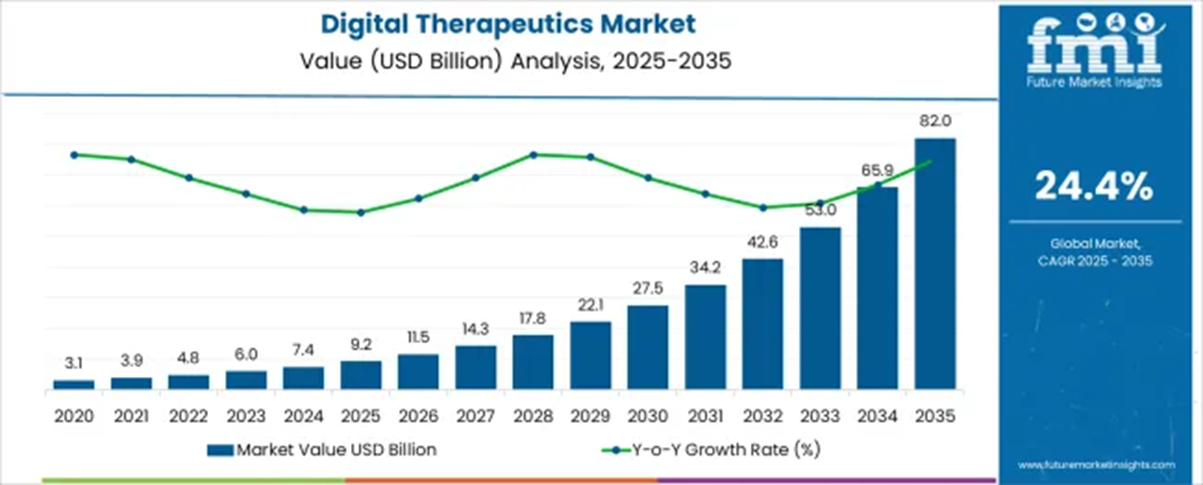
With rising demand of AI adoption, supportive regulations, and proven commercial potential, AI therapeutics solutions offer businesses a timely opportunity to lead innovation while strengthening their long-term competitive advantage.
Creating an AI Therapeutics App gives businesses the ability to deliver intelligent, personalized, and evidence-based care at a scale that traditional clinical models cannot match. As healthcare increasingly moves toward digital first experiences, companies that invest in AI Therapeutics Mobile App Development gain a strong competitive edge and long-term value.
Below are the major advantages of developing AI Therapeutics App solutions in today’s fast evolving health ecosystem.
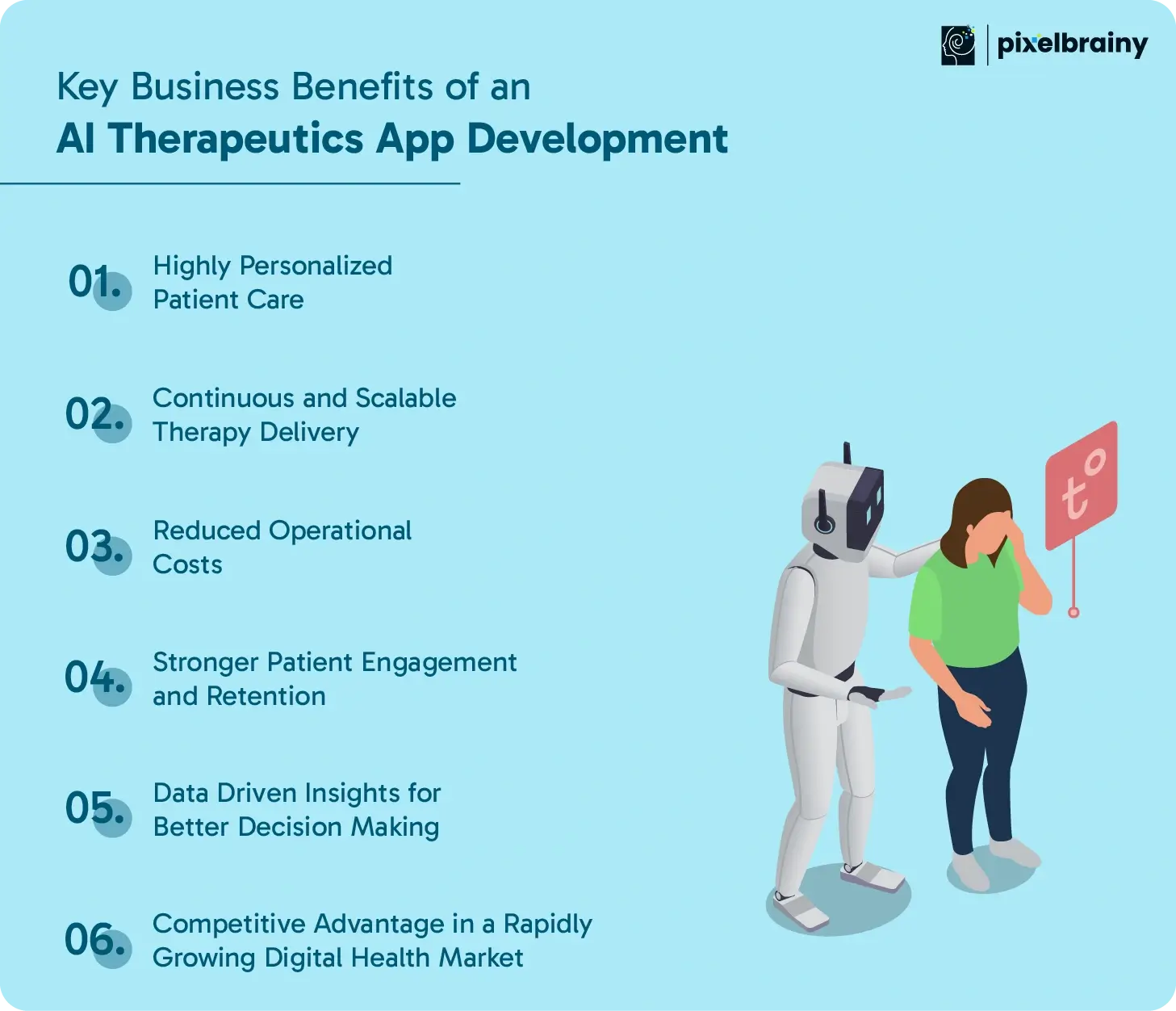
One of the strongest advantages of developing AI Therapeutics App platforms is the ability to deliver care that is deeply personalized for every individual. The app learns from user behavior, clinical responses, symptom patterns, and lifestyle data to create treatment plans that evolve in real time.
This level of personalization leads to stronger patient engagement and better therapeutic outcomes. Businesses benefit by offering a product that truly adapts to each user, making the solution more effective and more attractive to long term users.
AI powered therapeutic apps allow companies to offer clinical grade support around the clock. Unlike traditional care models that depend on human availability, AI therapeutics run continuously and can handle thousands of users at the same time.
This scalability significantly reduces the burden on healthcare professionals while enabling businesses to grow without proportionally increasing their operational costs. The result is a more sustainable business model with wider market reach.
The automation built into AI Therapeutics Mobile App Development helps organizations lower the cost of delivering therapy and monitoring patients. Routine assessments, progress tracking, symptom checks, and personalized recommendations can all be automated.
This reduces the need for extensive staffing and minimizes administrative workload. Over time, businesses can achieve substantial savings while still delivering high quality therapeutic support.
AI driven interactions, timely reminders, personalized content, and progress visualizations significantly improve user engagement. When patients feel guided and supported at every step, they are more likely to stay committed to their treatment journey.
Higher engagement directly leads to better retention rates, which is essential for subscription based or long term therapeutic programs. For businesses, this translates into predictable recurring revenue and stronger brand loyalty.
Creating an AI Therapeutics App enables companies to access structured clinical and behavioral data that would otherwise be difficult to collect manually. The app can identify trends, detect gaps in treatment, predict relapses, and highlight what interventions are working best.
These insights are valuable for clinicians, business leaders, and product teams alike. Organizations can refine their therapeutic frameworks, improve user satisfaction, and enhance clinical effectiveness by interpreting the data gathered through the platform.
As digital therapeutics continue to expand globally, businesses that adopt AI early position themselves as leaders in innovation. Offering AI based therapeutic solutions sets a company apart from competitors that rely solely on traditional methods.
Early movers gain visibility in healthcare networks, stronger investor interest, and partnerships with hospitals, insurers, and employers. This advantage becomes even more significant as more consumers begin to expect AI powered health support as a standard part of their wellness experience.
Together, these benefits make AI Therapeutics App Development a powerful strategy for businesses aiming to deliver impactful care while strengthening their long-term growth and market leadership.
To make AI Therapeutics App solutions effective, businesses must integrate features that support personalization, clinical accuracy and smooth user experience.
These essential components form the foundation of Therapeutics App Development Integrating AI and help the platform deliver meaningful therapeutic outcomes.
| Feature | Description |
| AI Powered Onboarding Assessment | Uses intelligent questionnaires and behavioral analysis to understand user health status. This helps recommend the most accurate therapeutic pathway from the very beginning. |
| Personalized Treatment Plans | AI reviews user data, symptoms and progress to tailor therapy modules. Each plan evolves as the user interacts with the app, ensuring continuous personalization. |
| Symptom Tracking Dashboard | Offers real time tracking of emotional, physical or behavioral symptoms. Users can view progress patterns that motivate them to stay actively engaged. |
| Conversational AI Chat Support | Provides interactive guidance through chatbot conversations that simulate therapist style responses. Supports timely interventions and enhances user comfort. |
| Daily Therapeutic Activities | Structured sessions, exercises and tasks that are recommended based on user needs. Helps users build habits and follow consistent therapeutic routines. |
| AI Driven Progress Insights | Transforms user data into insightful graphs that highlight improvement areas and potential concerns. Makes self awareness easier for users. |
| Secure User Data Management | Incorporates encryption, secured cloud storage and privacy controls to keep health information protected. Ensures compliance with privacy standards. |
| Push Notifications and Smart Reminders | Sends personalized prompts to encourage therapy adherence. Helps reduce user dropout rates through proactive reminders. |
| Multi Platform Accessibility | Offers seamless access across mobile, tablet and web versions. Ensures that users can continue therapy regardless of device. |
| Offline Functionality Mode | Allows users to access therapy activities without needing constant internet connectivity. Improves accessibility in low bandwidth regions. |
| Integration with Wearables | Connects with smartwatches or medical sensors to collect health data like sleep, heart rate and activity. Enhances accuracy of therapy recommendations. |
| Role Based Access for Clinicians | Enables therapists to securely view patient insights and adjust treatment strategies. Useful for blended digital and human guided therapy. |
| Gamification Elements | Introduces points, badges and achievements to make therapy enjoyable. Boosts motivation and improves long term engagement. |
| In App Community Support | Facilitates safe peer interaction for shared recovery experiences. Encourages users to stay motivated through mutual support. |
| Educational Resource Library | Provides clinically approved articles, videos and guides. Helps users learn more about their condition and therapeutic methods. |
These must have features ensure that your AI Therapeutics App is clinically valuable, user friendly and future ready for scalable digital health delivery.
Also Read: Mental Health AI Chatbot Development: Tools, Techniques, and Challenges
To build AI Therapeutics App solutions that stand out in a competitive market, businesses should explore advanced features that bring deeper intelligence and stronger user engagement. These capabilities elevate the overall experience when creating an AI Therapeutics App with next generation efficiency.
| Advanced Feature | Description |
| Predictive Health Risk Analysis | AI identifies early signs of relapse, symptom spikes or health deterioration. Helps clinicians and users take action before risks escalate. |
| Adaptive Learning Algorithms | Continuously refines therapeutic pathways by learning from user responses. Makes each session more relevant and personalized over time. |
| Generative AI Therapy Modules | Uses generative models to craft dynamic exercises, affirmations or conversational responses. Offers a more natural and human like experience. |
| Cognitive Digital Twins | Creates a digital model of each user’s behavior patterns. Helps predict outcomes and design highly accurate therapeutic interventions. |
| Biometric Emotion Detection | Uses camera, voice or sensor data to detect emotional states. Supports mood tracking and more contextual therapy insights. |
| Real Time Clinical Alerts | Automatically sends alerts to clinicians when user data signals concerning trends. Enables quick intervention for high risk cases. |
| Virtual Therapy Rooms | Offers live video therapy or AI enhanced therapy environments. Creates a more immersive and supportive experience for users. |
| Multilingual Conversational AI | Allows users from different countries to receive therapy in their preferred language. Expands app accessibility and global reach. |
| Federated Learning for Data Privacy | Ensures AI training happens on the user’s device without exporting data. Strengthens privacy and meets strict regulatory requirements. |
| Advanced Wearable Integrations | Connects with advanced medical grade sensors for ECG, glucose monitoring or respiratory tracking. Enhances therapeutic precision and personal care. |
Integrating these advanced features will help your AI Therapeutics App deliver exceptional value, intelligent automation and a truly personalized therapeutic journey.
Building a clinically reliable and user friendly therapeutic solution requires a structured and thoughtful approach. The goal of this section is to clearly explain what is the process to build an AI Therapeutics App in a simple, practical and professional manner so businesses understand how to move from idea to deployment with confidence.
The aim is to help organizations plan the AI Therapeutics App Development journey with clarity, whether their focus is on mental health, chronic care, rehabilitation or preventive wellness. Below is an 8 step detailed framework that outlines how the development of AI Therapeutics App solutions typically takes shape.
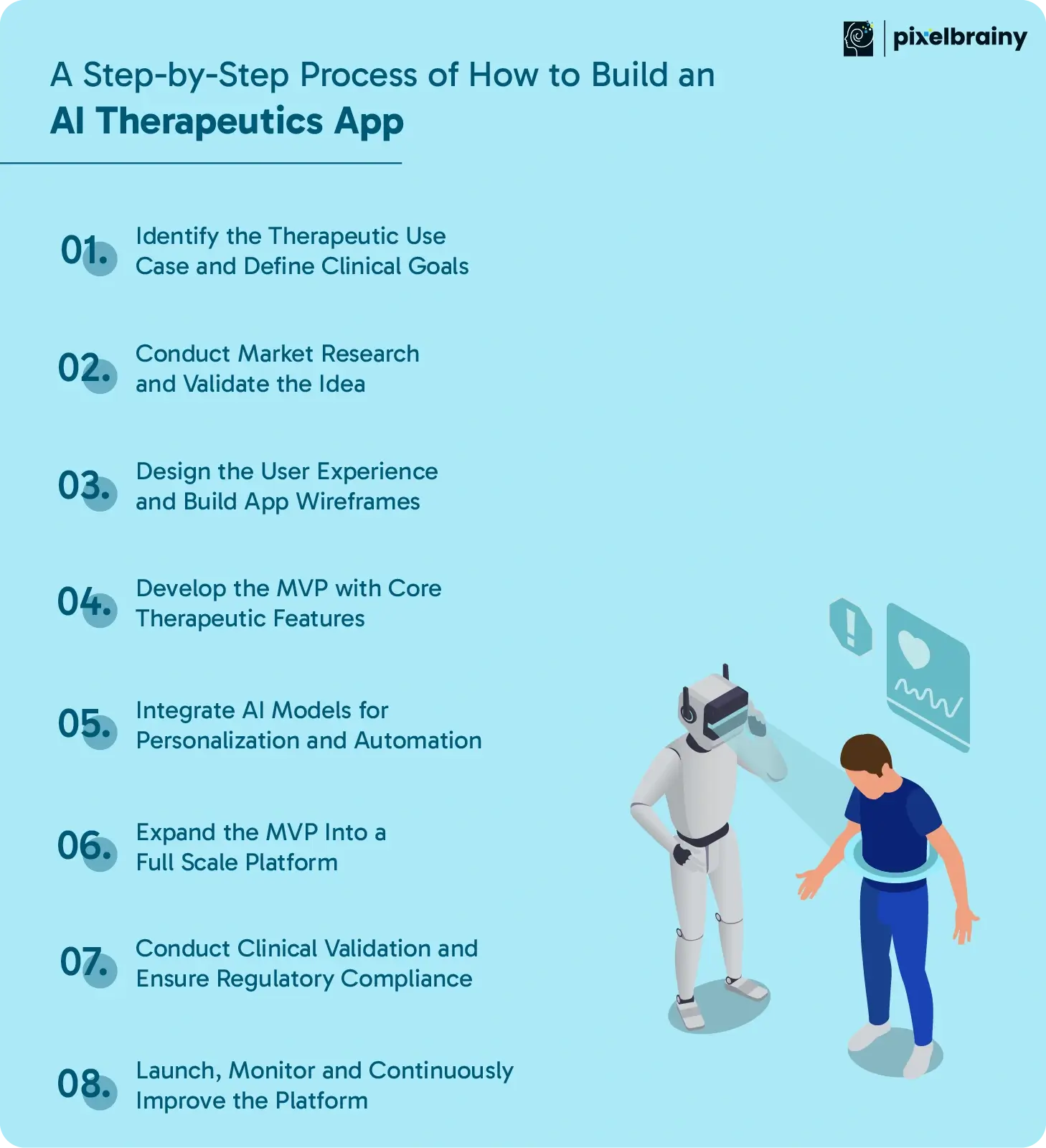
The development journey begins by determining which condition or therapeutic challenge the app will address. This involves collaborating with clinicians to define measurable clinical goals, treatment protocols and the type of digital interventions needed. Establishing clear health outcomes early ensures that developing AI Therapeutics App solutions aligns with real patient needs and regulatory expectations.
At this stage, businesses conduct market analysis, patient surveys and expert interviews to validate if the idea solves a genuine problem. Concept validation may include surveys, prototype demos or a small PoC to test the feasibility of the core therapeutic concept. This step minimizes risks and sets a strong foundation for the next phases.
A therapeutic app must feel safe, intuitive and supportive. UI flows, screen layouts and emotional design elements are created to make the experience simple for users. Partnering with a UI/UX Design company ensures accessibility, clarity and smooth navigation for diverse user groups, including patients with emotional or physical challenges.
Also Read: How To Create A Mobile App Prototype: A Step-by-Step Process
The MVP includes essential features such as assessments, therapy modules, symptom tracking, and user onboarding, built in collaboration with top AI MVP development companies. This initial version allows real users to test the concept in practical situations. Feedback collected during this stage helps refine features, improve therapeutic flow, and shape future enhancements.
This phase is where AI creates real value. Machine learning models personalize treatment paths, analyze user behavior and automate therapeutic recommendations. NLP based conversational agents and adaptive learning models enhance interactivity and accuracy. Ethical AI use, privacy protection and fairness are essential considerations in this stage of AI Therapeutics App development Integrating AI.
After validating the MVP, development progresses into building the complete solution. Advanced functionalities such as clinician dashboards, wearable integrations, risk predictions and content personalization are added. Some companies work with top AI development companies in USA to ensure high performance architecture and enterprise level scalability.
Before launch, the app undergoes clinical evaluation, real user trials and compliance checks. The testing assesses usability, accuracy, therapeutic impact and safety. Documentation is prepared to meet regulatory standards such as SaMD classifications and medical software quality frameworks. This stage ensures the app is safe, trustworthy and clinically credible.
Once deployed, the app is monitored for user engagement, technical performance and therapeutic outcomes. Continuous improvements are made through model retraining, feature updates and user experience enhancements. Maintaining a growth oriented roadmap ensures the platform remains effective and relevant over time.
This structured development steps framework ensures that every effort to make AI Therapeutics App solutions is aligned with clinical goals, user needs and long term product sustainability.
The cost to develop an AI Therapeutics App depends on the complexity of features, integration of AI models, compliance requirements, and the scale of the platform. On average, the overall budget ranges from #20,000 to $200,000+ depending on whether the app is basic, mid level or enterprise grade.
Businesses must also consider additional expenses such as cloud hosting, AI training data, regulatory documentation and continuous model updates. Understanding these cost ranges helps organizations make informed decisions and plan their investment more precisely.
| App Type | Cost Range | What It Includes |
| Basic AI Therapeutics App | $20,000 to $50,000 | Includes simple onboarding, basic therapy modules, symptom tracking, standard UI, and limited AI features such as rule based recommendations or basic analytics. Ideal for early stage validation or pilot versions. |
| Medium AI Therapeutics App | $50,000 to $120,000 | Includes advanced personalization, conversational AI chatbot, improved dashboards, wearable integration and real time AI insights. Suitable for companies aiming for a scalable and commercially viable product. |
| Advanced AI Therapeutics App | $120,000 to $200,000+ | Includes predictive health modeling, generative AI therapy modules, clinician dashboards, multi platform deployment, multilingual support and compliance ready architecture. Ideal for enterprise grade digital therapeutics solutions requiring regulatory approvals. |
This cost structure provides a clear understanding of how different levels of AI integration and feature depth influence the overall investment in building a high-quality therapeutic platform.
Also Read: AI App Development Cost: From MVPs to Full-Scale AI App
Building a high performing AI Therapeutics App requires a powerful combination of AI tools, frameworks, programming languages and cloud technologies. The tech stack plays a crucial role in ensuring the app is scalable, secure, fast and capable of delivering accurate therapeutic insights.
Below is a structured breakdown of the essential tools and technologies commonly used in the development of modern therapeutic applications.
| Category | Tools and Technologies | Explanation |
| Programming Languages | Python, JavaScript, Kotlin, Swift | Python powers AI and machine learning, while JavaScript, Kotlin and Swift handle mobile and web app development. This combination ensures smooth functionality across platforms. |
| AI and ML Frameworks | TensorFlow, PyTorch, Scikit learn, Keras | These frameworks are used to build, train and deploy AI models. They support tasks like prediction, personalization, emotion detection and behavioral analysis. |
| NLP and Conversational AI | spaCy, Hugging Face, GPT based APIs | Used to create conversational therapy bots, sentiment analysis tools and guided therapeutic sessions. They help simulate human like interactions and support multilingual capabilities. |
| Cloud Platforms | AWS, Google Cloud, Microsoft Azure | Cloud services offer secure data storage, real time processing and scalable infrastructure. They also provide advanced AI services that speed up development. |
| Databases | MongoDB, PostgreSQL, Firebase | These databases store user data, therapy records, analytics and session logs. They ensure fast access and strong security for health information. |
| Authentication and Security | OAuth 2.0, JWT, SSL Encryption | Essential for safeguarding medical data, enabling secure logins and meeting HIPAA or GDPR requirements. |
| Wearable and Sensor Integrations | Apple HealthKit, Google Fit, Bluetooth SDKs | Used for integrating external health data such as heart rate, sleep cycles, activity levels and more. Enhances personalization accuracy. |
| DevOps and Deployment Tools | Docker, Kubernetes, Jenkins | Ensure smooth deployment, updates and scalability. These tools make it easier to manage growing user loads. |
| Analytics and Monitoring Tools | Mixpanel, Firebase Analytics, Grafana | Provide insights into user engagement, behavior and therapy effectiveness. Helps improve the app continuously. |
| Frontend Mobile Technologies | React Native, Flutter, SwiftUI | Used to build intuitive mobile interfaces that deliver a seamless experience for therapy sessions and user interactions. |
These tools collectively create a strong foundation for building a reliable, scalable and intelligent AI Therapeutics App capable of supporting real world therapeutic outcomes.
Compliance plays a vital role in ensuring that an AI Therapeutics App is safe, clinically reliable and fit for real world use. Any digital therapeutic solution must follow strict data privacy guidelines, medical software standards and regulatory pathways to gain approval and build user trust.
Below are the major frameworks and regulatory components involved in developing a therapeutics app with AI.
HIPAA ensures the protection of sensitive patient data collected and stored by healthcare applications. Any AI based therapeutic app handling medical information must follow HIPAA rules to avoid legal risks and protect user trust.
Key Requirements:
GDPR applies to apps serving users in the European Union and focuses on user privacy and data rights. It ensures transparent data handling and gives users full control over their personal information.
Key Requirements:
The FDA evaluates digital therapeutics that function as medical devices. Apps delivering therapeutic interventions, diagnostics or treatment recommendations often fall under this category.
Key Requirements:
This global standard governs how medical software should be designed, tested and maintained. Following IEC 62304 ensures the app meets professional engineering practices.
Key Requirements:
ISO 13485 ensures that an organization has the right processes in place for creating safe medical device software. It focuses on quality, consistency and regulatory readiness.
Key Requirements:
Following these frameworks helps companies build secure, trustworthy and clinically validated AI Therapeutics Apps that meet global regulatory expectations.
Measuring the performance of an AI Therapeutics App is essential to understand its real world therapeutic impact, user engagement levels and long term clinical value. Businesses must track the right KPIs and outcome metrics to ensure the app is not only functioning well but also delivering meaningful improvements to patient health.
Below is a detailed explanation of the most important indicators used to evaluate the success of an AI powered therapeutic solution.
This measures how actively users interact with therapy modules, assessments and app features. Higher engagement indicates that the content and AI guidance are compelling and helpful. Continuous engagement is often linked to stronger therapeutic outcomes.
Adherence tracks how consistently users follow therapy plans, complete sessions and respond to reminders. For therapeutic success, adherence is one of the strongest performance predictors. Apps with personalized reminders and adaptive content usually achieve better adherence levels.
This KPI measures how much a user’s symptoms improve over weeks or months of app usage. It compares baseline assessments with ongoing evaluations. Meaningful improvements in anxiety, stress, pain or behavioral patterns show strong clinical effectiveness.
Retention measures how long users continue using the app. Effective therapeutic apps maintain strong retention due to personalized recommendations and intuitive workflows. Drop off patterns help identify areas where users lose motivation or face friction.
This evaluates whether the digital therapeutic achieves its intended medical objectives. Clinical outcome metrics involve comparisons with standard care models, clinician observations and real world evidence collected through the platform.
The accuracy of predictions, risk alerts and therapy recommendations is crucial. Regular validation ensures the AI behaves safely and ethically while supporting diverse patient groups. Monitoring accuracy prevents misleading interventions.
Feedback from patients reveals their emotional comfort, trust and satisfaction with the therapy experience. High satisfaction strengthens credibility and helps improve future versions of the app.
Tracking these KPIs and outcomes ensures that AI therapeutics solutions remain effective, trustworthy and aligned with long term healthcare goals.
Creating a high quality AI Therapeutics App involves navigating multiple technical, clinical and regulatory complexities. While the potential is significant, businesses must understand the common challenges that arise during the development journey and plan effective strategies to overcome them.
Below are the major obstacles and practical solutions that help ensure a smooth and successful development process.
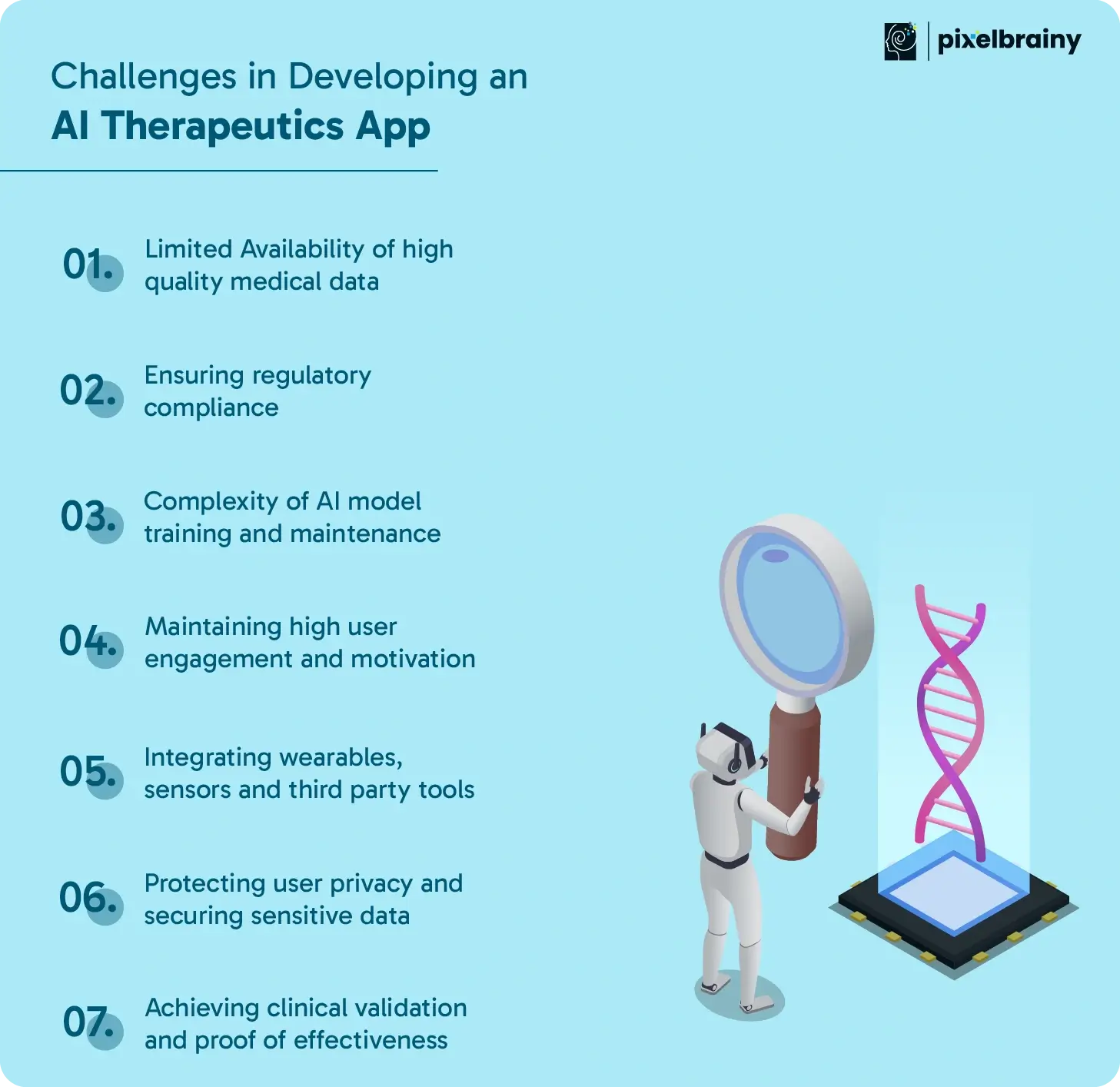
AI models require large, diverse and clinically validated datasets, but such datasets are often restricted, expensive or fragmented across health institutions. Poor data quality can limit the accuracy and safety of therapeutic recommendations.
How to overcome:
Digital therapeutics must meet strict compliance standards, including HIPAA, GDPR, FDA and international medical software guidelines. Navigating these frameworks without expertise can cause delays or compliance risks.
How to overcome:
AI models used in therapeutic environments must be accurate, fair and consistently updated. Training models without introducing bias or errors is a major challenge, especially when dealing with sensitive populations.
How to overcome:
Therapeutic apps often face user drop off after initial weeks. Lack of motivation, repetitive content or overwhelming information can negatively affect long term engagement.
How to overcome:
Connecting medical sensors, wearables and external APIs can be technically complex. Inconsistent data formats or compatibility issues may create integration challenges.
How to overcome:
AI Therapeutics Apps store large amounts of personal and clinical data, making privacy and security a top priority. Any breach can damage trust and lead to serious legal consequences.
How to overcome:
Digital therapeutics must demonstrate clinical effectiveness through trials, studies or real world evidence. Many businesses underestimate the time and effort needed for this step.
How to overcome:
Addressing these challenges with the right strategy and expert guidance ensures that the development of an AI Therapeutics App results in a reliable, compliant and clinically impactful solution.
When building an AI powered therapeutic solution, you need a partner who understands both healthcare complexity and advanced technology. PixelBrainy brings a balanced combination of clinical insight, AI engineering expertise and thoughtful product design, making us a trusted choice for businesses planning to create next generation therapeutic applications.
PixelBrainy has hands on experience delivering intelligent therapeutic platforms that blend clinical logic, behavioral science and machine learning. Our development approach ensures every feature supports real therapeutic value.
We operate as a trusted AI App Development Company in USA, maintaining high engineering standards and following strict privacy and security practices expected in healthcare. Clients benefit from reliable architecture, clear development workflows, and consistent communication throughout the project.
Our team recently completed an advanced therapeutic solution for a confidential client in the USA.
Key components included:
The platform has demonstrated strong engagement and is now being expanded across new patient groups.
PixelBrainy guides clients at every stage, including:
We ensure your vision transforms into a reliable, scalable and patient friendly product.
Our goal goes beyond development. We help you build a sustainable digital therapeutics solution that can adapt, grow and succeed in the evolving healthcare landscape.
The development of an AI Therapeutics App is a powerful opportunity for businesses aiming to shape the future of digital healthcare. With the right strategy, technology and clinical alignment, companies can create solutions that deliver personalized care, improve patient outcomes and drive long term growth. Investing in AI driven therapeutics supports stronger engagement, better treatment adherence and scalable digital health models.
As the demand for intelligent health solutions continues to rise, organizations that embrace AI Therapeutics App Development will stand out in a competitive market. From advanced features to compliance frameworks, every step of the journey requires careful planning and expert guidance. The building of AI Therapeutics App platforms becomes far more efficient with the right development partner.
If you are ready to develop AI Therapeutics App solutions that are future ready and clinically impactful, book an appointment.
An AI Therapeutics App is built on clinical evidence, outcome based interventions and intelligent automation. Unlike general wellness apps, it focuses on measurable therapeutic results, adaptive treatment support and personalized care grounded in medical data.
Patient data can be extremely safe when the app follows strong security practices such as encryption, role based access, cloud protection and compliance with regulations like HIPAA and GDPR. Security design is a key requirement in therapeutic software.
No. While wearable integration enhances personalization and monitoring, many therapeutic apps work effectively without it. Wearables are an optional enhancement rather than a necessity.
AI does not replace clinicians but supports them by automating routine tasks, providing data insights and helping users stay engaged between sessions. AI acts as a supplement that improves efficiency and accessibility.
Timelines vary based on complexity, but most projects take between 10 to 28 weeks. Factors like AI model development, compliance, content creation and advanced feature requirements influence the development duration.
Clinical validation is essential for apps offering direct therapeutic interventions or functioning as Software as a Medical Device. For wellness focused AI apps, validation is beneficial but not always mandatory.

About The Author
Sagar Bhatnagar
Sagar Sahay Bhatnagar brings over a decade of IT industry experience to his role as Marketing Head at PixelBrainy. He's known for his knack in devising creative marketing strategies that boost brand visibility and market influence. Sagar's strategic thinking, coupled with his innovative vision and focus on results, sets him apart. His track record of successful campaigns proves his ability to utilize digital platforms effectively for impactful marketing efforts. With a genuine passion for both technology and marketing, Sagar continuously pushes PixelBrainy's marketing initiatives to greater success.

Working with the PixelBrainy team has been a highly positive experience. They understand the design requirements and create beautiful UX elements to meet the application needs. The dev team did an excellent job bringing my vision to life. We discussed usability and flow. Sagar worked with his team to design the database and begin coding. Working with Sagar was easy. He has the knowledge to create robust apps, including multi-language support, Google and Apple ID login options, Ad-enabled integrations, Stripe payment processing, and a Web Admin site for maintaining support data. I'm extremely satisfied with the services provided, the quality of the final product, and the professionalism of the entire process. I highly recommend them for Android and iOS Mobile Application Design and Development.

Great experience working with them. Had a lot of feedback and I found that unlike most contractors they were bugging me for updates instead of the other way around. They were extremely time conscience and great at communicating! All work was done extremely high quality and if not on time, early! They were always proactive when it comes to communication and the work is great/above par always. Very flexible and a great team to work with! Goes above and beyond to present us with multiple options and always provides quality. Amazing work per usual with Chitra. If you have UI/UX or branding design needs I recommend you go to them! Will likely work with them in the future as well, definitely recommended!

PixelBrainy is a joy to work with and is a great partner when thinking through branding, logo, and website layout. I appreciate that they spend time going into the "why" behind their decisions to help inform me and others about industry best practices and their expertise.

I hired them to design our software apps. Things I really like about them are excellent communication skills, they answer all project suggestions and collaborate right away, and their input on design and colors is amazing. This project was complex and needed patience and creativity. The team is amazing to do business with. I will be using them long-term. Glad to see there are some good people out there. I was afraid to try and outsource my project to someone but I am glad I met them! I really can't say enough. They went above and beyond on this project. I am very happy with everything they have done to make my business stand out from the competition.

It was great working with PixelBrainy and the team. They were very responsive and really owned the project. We'll definitely work with them again!

I recently worked with the PixelBrainy team on a project and I was blown away by their communication skills. They were prompt, clear, and articulate in all of our interactions. They listened and provided valuable feedback and suggestions to help make the project a success. They also kept me updated throughout the entire process, which made the experience stress-free and enjoyable.

PixelBrainy is very good at what it does. The team also presents themselves very professionally and takes care of their side of things very well. I could fully trust them taking up the design work in a timely and organised manner and their attention to detail saved us lots of effort and time. This particular project was quite intense and the team showed that they function very well under pressure. Very much looking forward to working with her again!

It's always an absolute pleasure working with them. They completed all of my requests quickly and followed every note I had for them to a T, which made our process go smoothly from start to finish. Everything was completed fast and following all of the guidelines. And I would recommend their services to anyone. If you need any design work done in the future, PixelBrainy should be your first call!

They took ownership of our requirements and designed and proposed multiple beautiful variants. The team is self-motivated, requires minimum supervision, committed to see-through designs with quality and delivering them on time. We would definitely love to work with PixelBrainy again when we have any requirements.

PixelBrainy was a big help with our SaaS application. We've been hard at work with a new UI/UX and they provided a lot of help with the designs. If you're looking for assistance with your website, software, or mobile application designs, PixelBrainy and the team is a great recommendation.

PixelBrainy designers are amazing. They are responsive, talented, and always willing to help craft the design until it matches your vision. I would recommend them and plan to continue them for my future projects and more!!!

They were awesome! Did a good job fast, and good communication. Will work with them again. Thank you

Creative, detail-oriented, and talented designers who take direction well and implement changes quickly and accurately. They consistently over-delivered for us.

PixelBrainy team is very talented and creative. Great designers and a pleasure to work with. PixelBrainy is an excellent communicator and I look forward to working with them again.

PixelBrainy has a very talented design team. Their work is excellent and they are very responsive. I enjoy working with them and hope to continue on all of our future projects.


Transform your ideas into reality with us.
Across these industries, each engagement brings unique challenges, from early-stage product development to scaling complex systems, helping us build a practical understanding of real-world product environments.